










Soil Test in Bangladesh – Accurate Borehole & Soil Investigation for Safe Construction
Why Testing the Ground Matters
Before starting construction, understanding the ground is essential for a safe and stable structure. Proper testing reveals the soil’s strength and load-bearing ability, helping prevent foundation problems and uneven settlement. It also allows for smarter planning, reducing construction risks and costs while ensuring long-lasting stability, especially in areas prone to natural hazards.
Types of Soil Tests Required
You need to conduct various tests to understand the soil’s properties, like its strength, density, and settlement characteristics. As a soil testing expert, you’ll want to select the most relevant tests for your project. Here are some common tests:
- Atterberg Limit Test: Determines the soil’s plasticity.
- Proctor Compaction Test: Assesses maximum dry density.
- Unconfined Compressive Strength (UCS) Test: Measures soil’s shear strength.
- Triaxial Compression Test: Evaluates the soil’s ability to withstand stress.
- California Bearing Ratio (CBR) Test: Assesses the soil’s bearing capacity.
Choosing the right combination of tests gives you a thorough understanding of the soil’s behavior.
Components of Soil Test Report in Bangladesh
A detailed soil test report in Bangladesh includes several key components that help you make informed decisions about your construction project. The report typically has:
- General Information: Location, date, and type of test conducted.
- Soil Data: Physical and chemical properties like texture, pH level, and nutrient content.
- Density Test Results: Indicates soil’s density and moisture content.
This information helps engineers and architects determine the soil’s load-bearing capacity and potential settlement behavior, ensuring accurate and useful soil test report in Bangladesh.
Benefits of Reliable Soil Information
Reliable soil information is crucial for ensuring the safety and longevity of buildings, especially in regions prone to earthquakes. It helps engineers design strong foundations, reduce construction costs, and prevent structural issues such as uneven settlement or foundation failure. By understanding the soil conditions in advance, potential problems can be identified and addressed early, ensuring that every building remains durable and secure for its intended lifespan.
Borehole Test for Soil – The Key to Strong and Safe Foundation Design
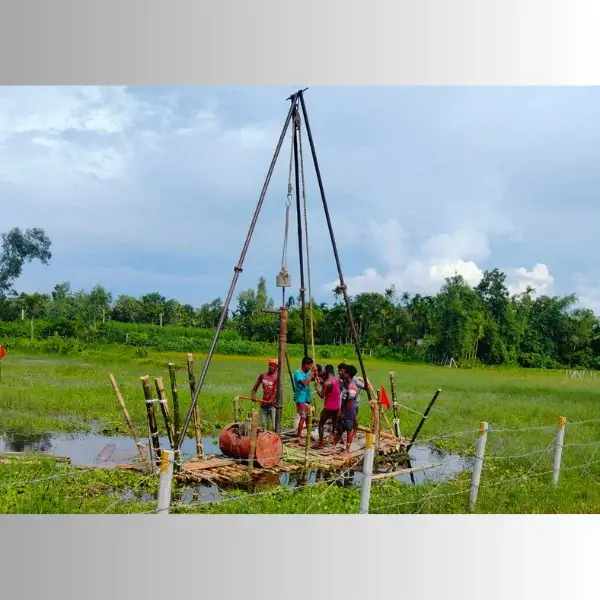
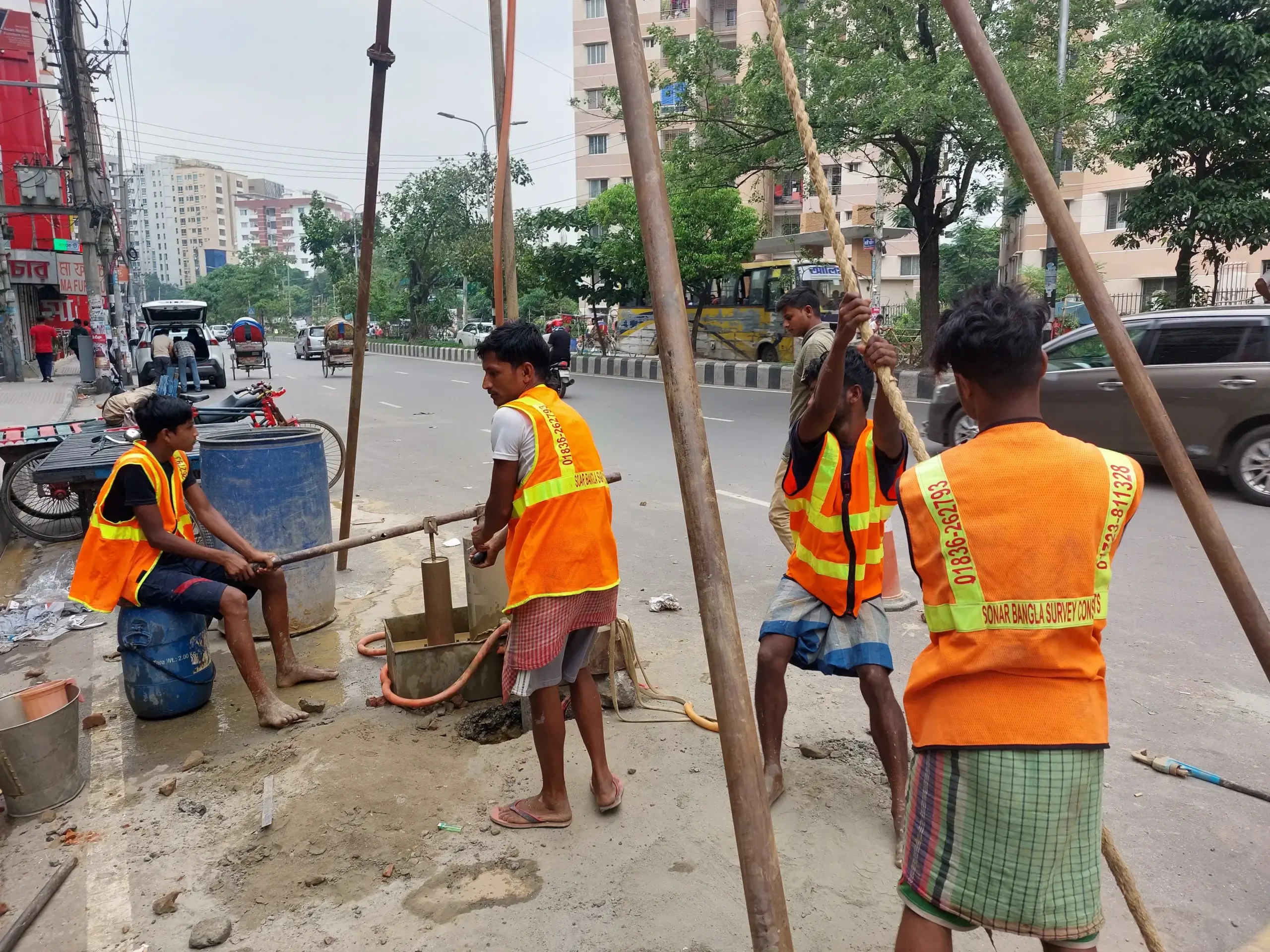
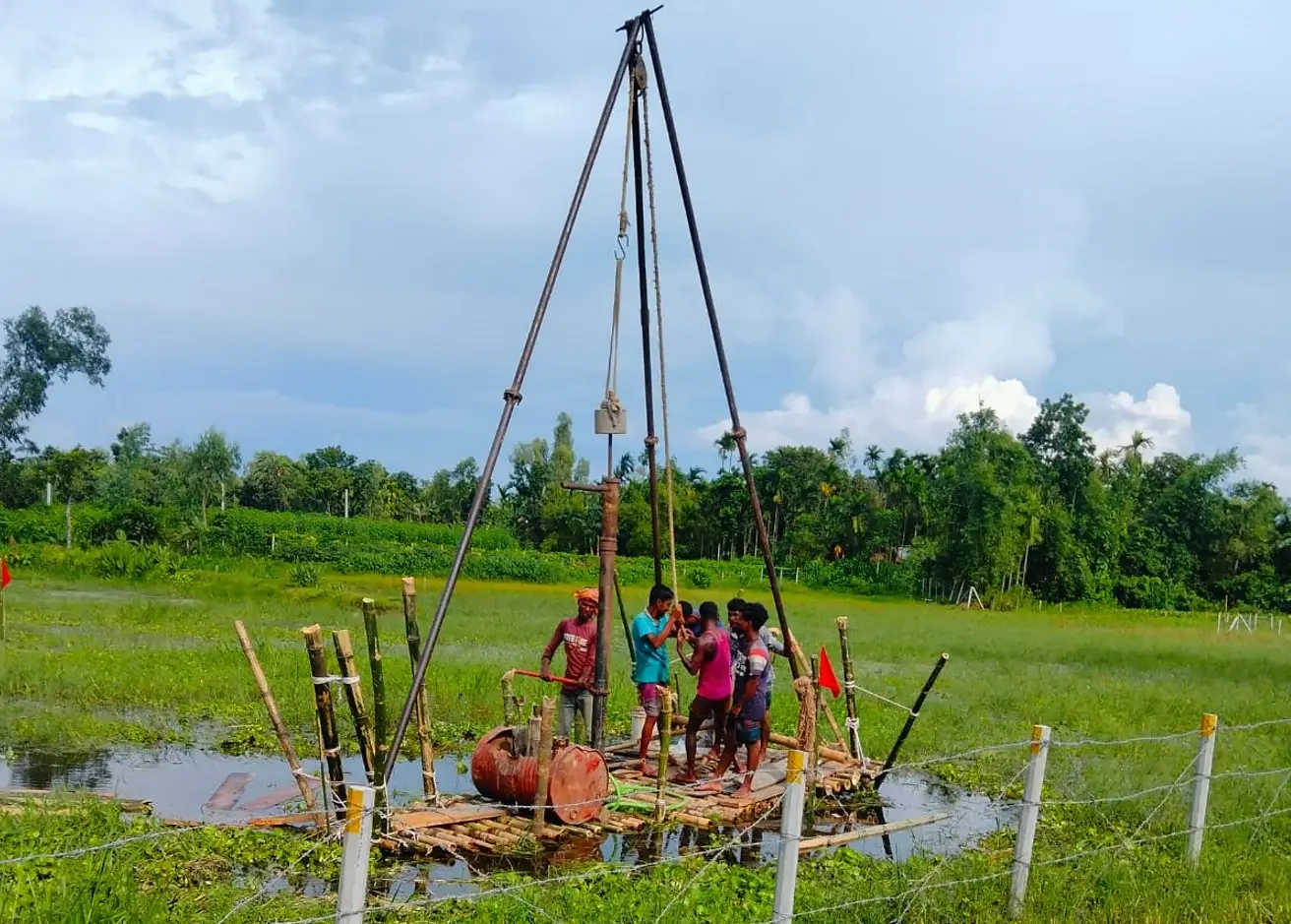
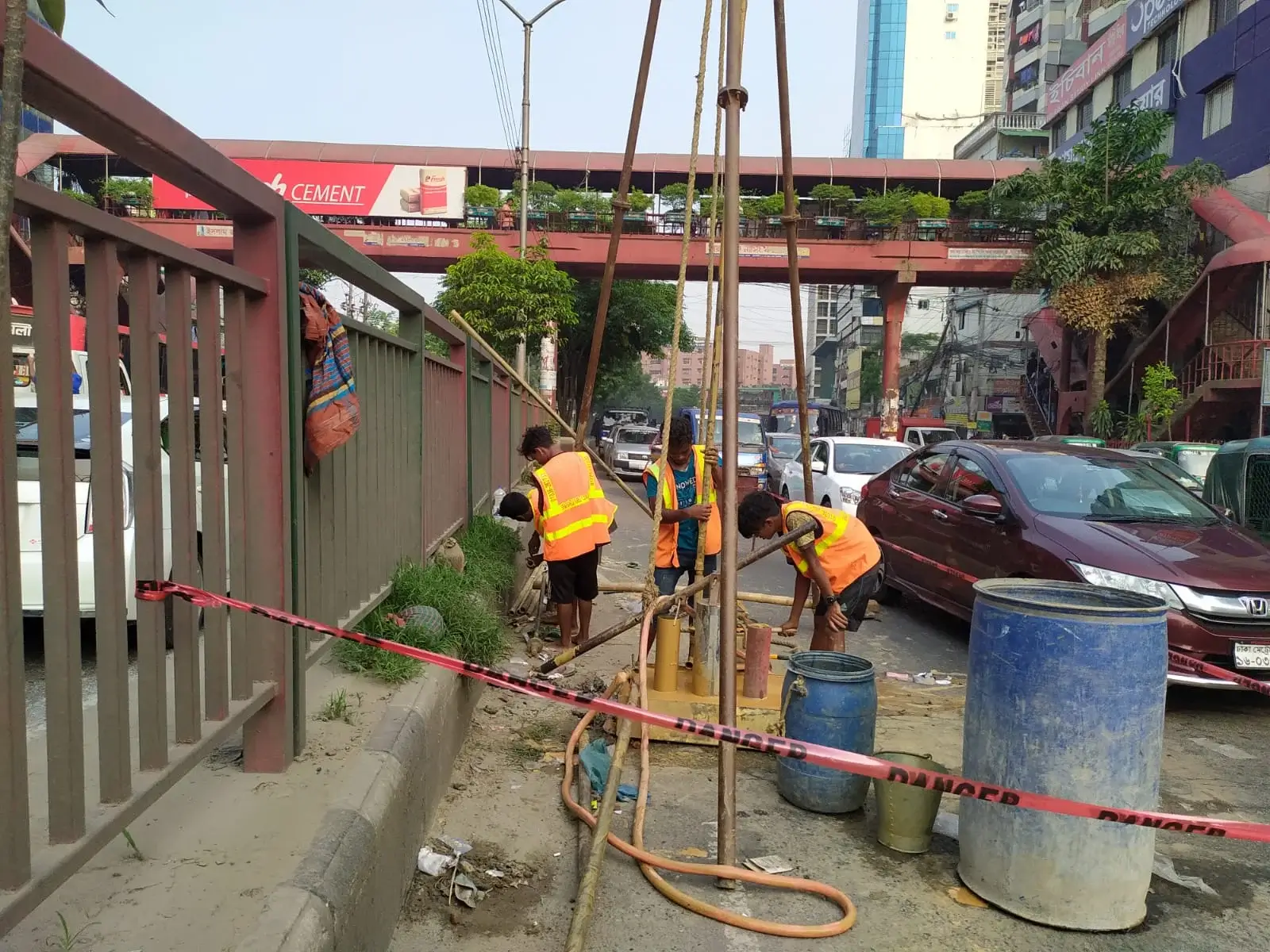
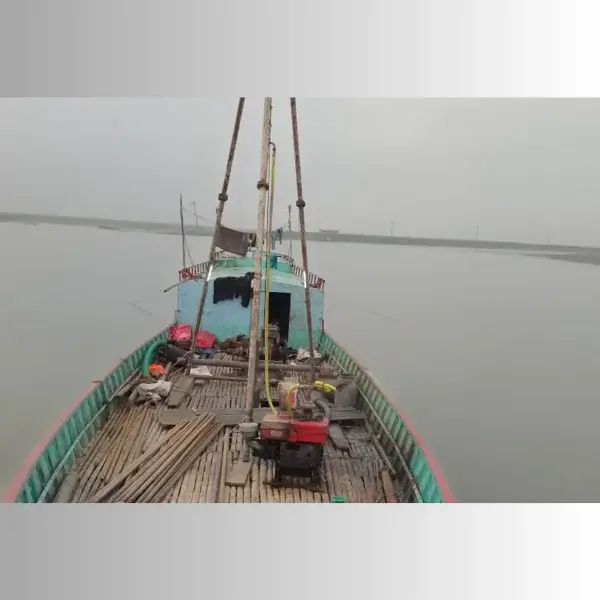
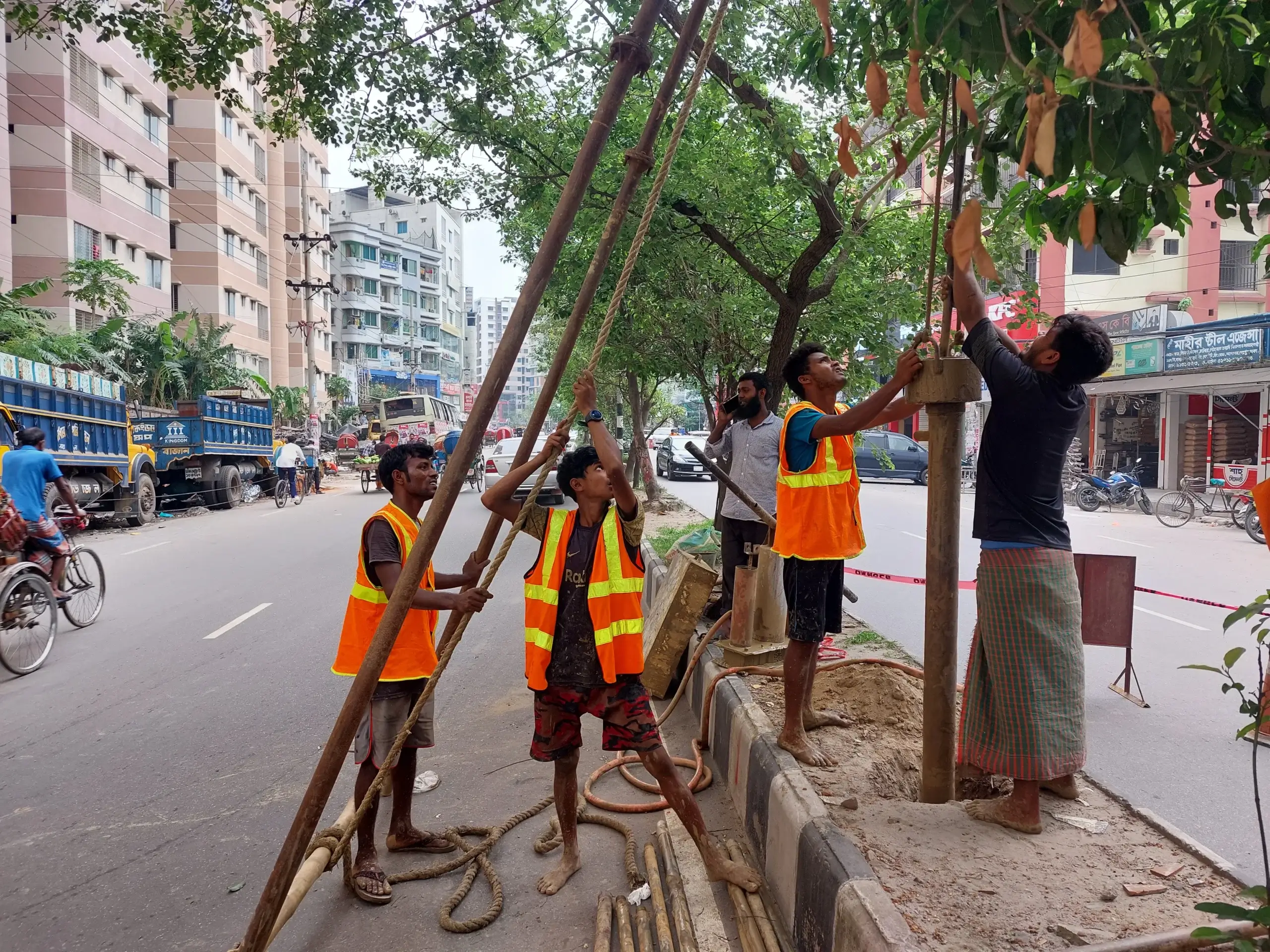
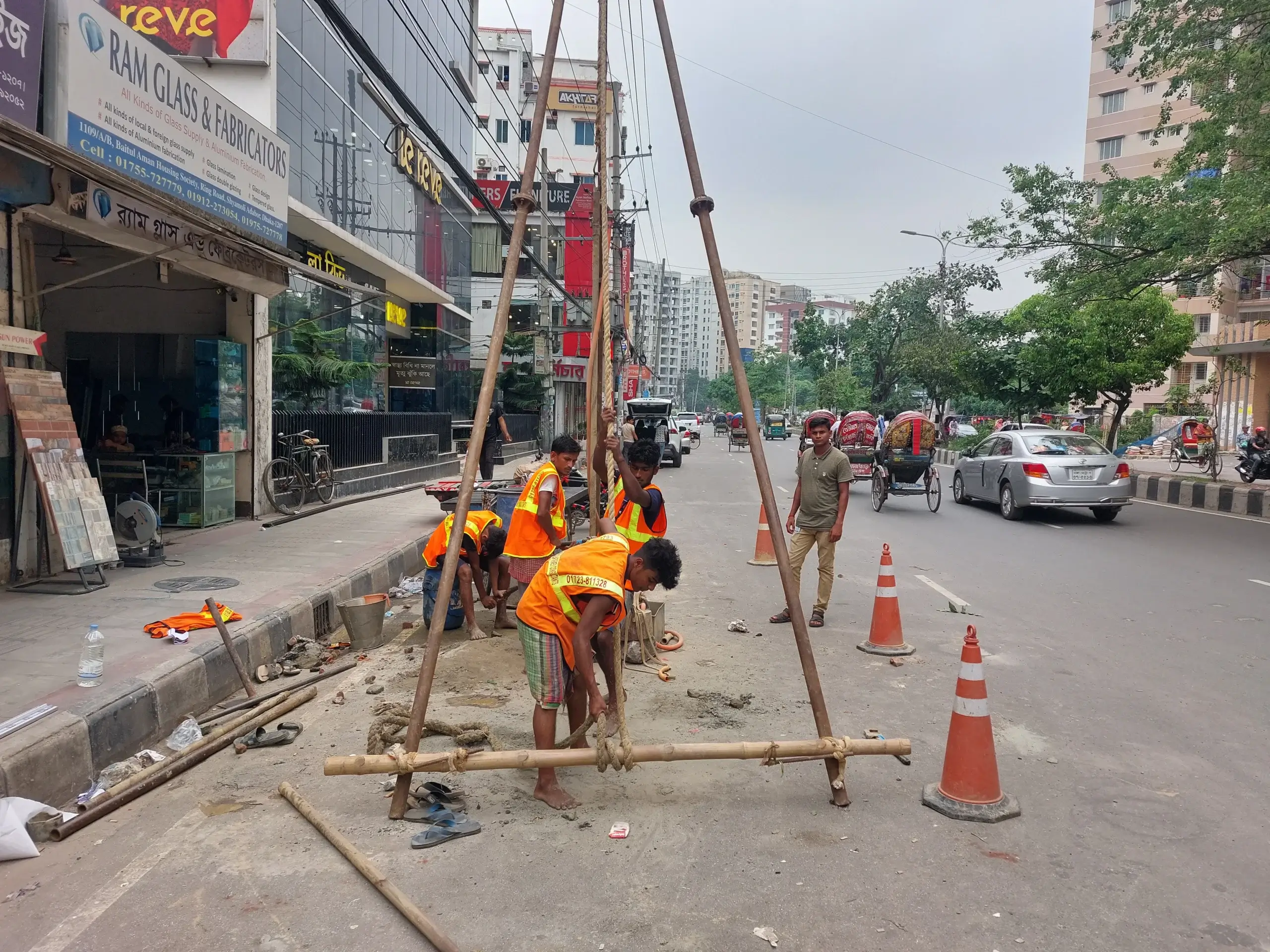
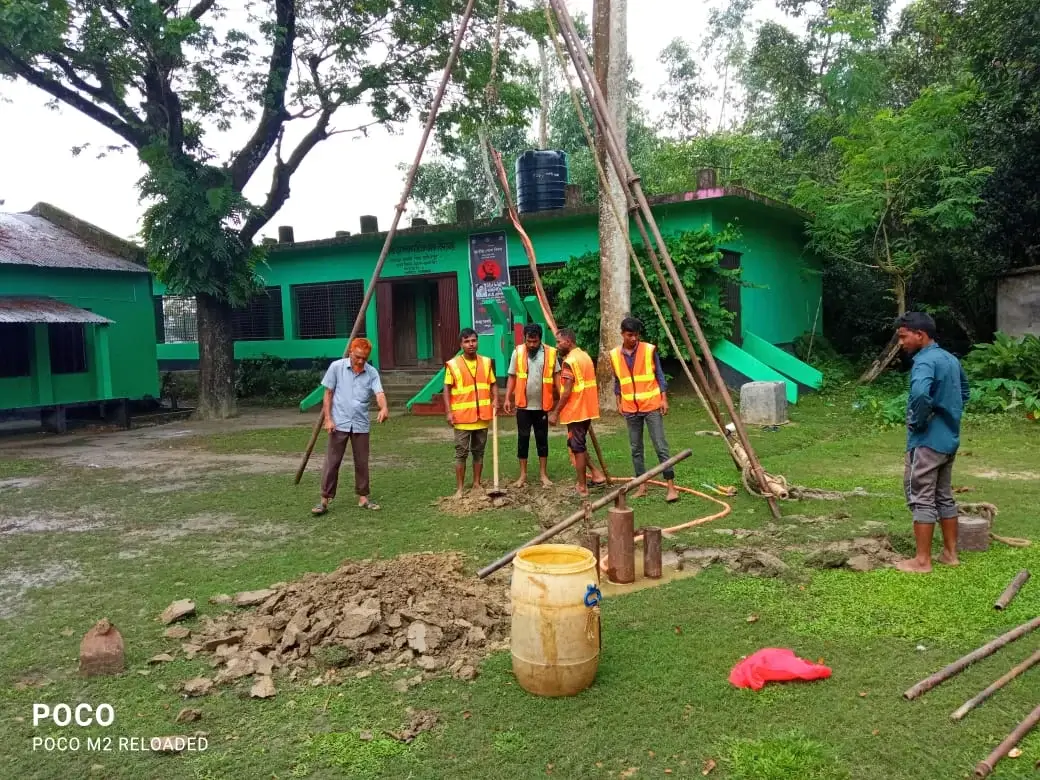
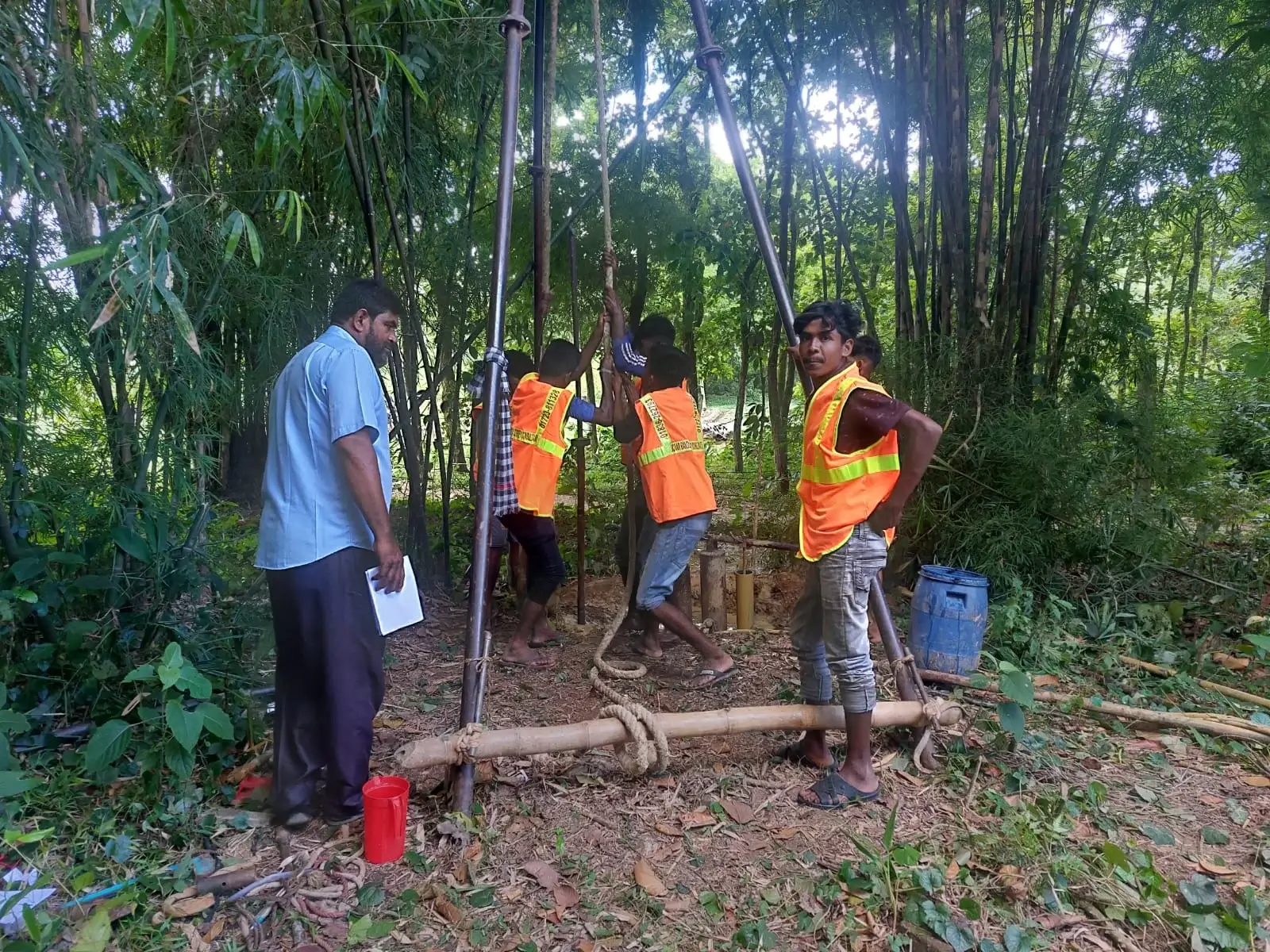
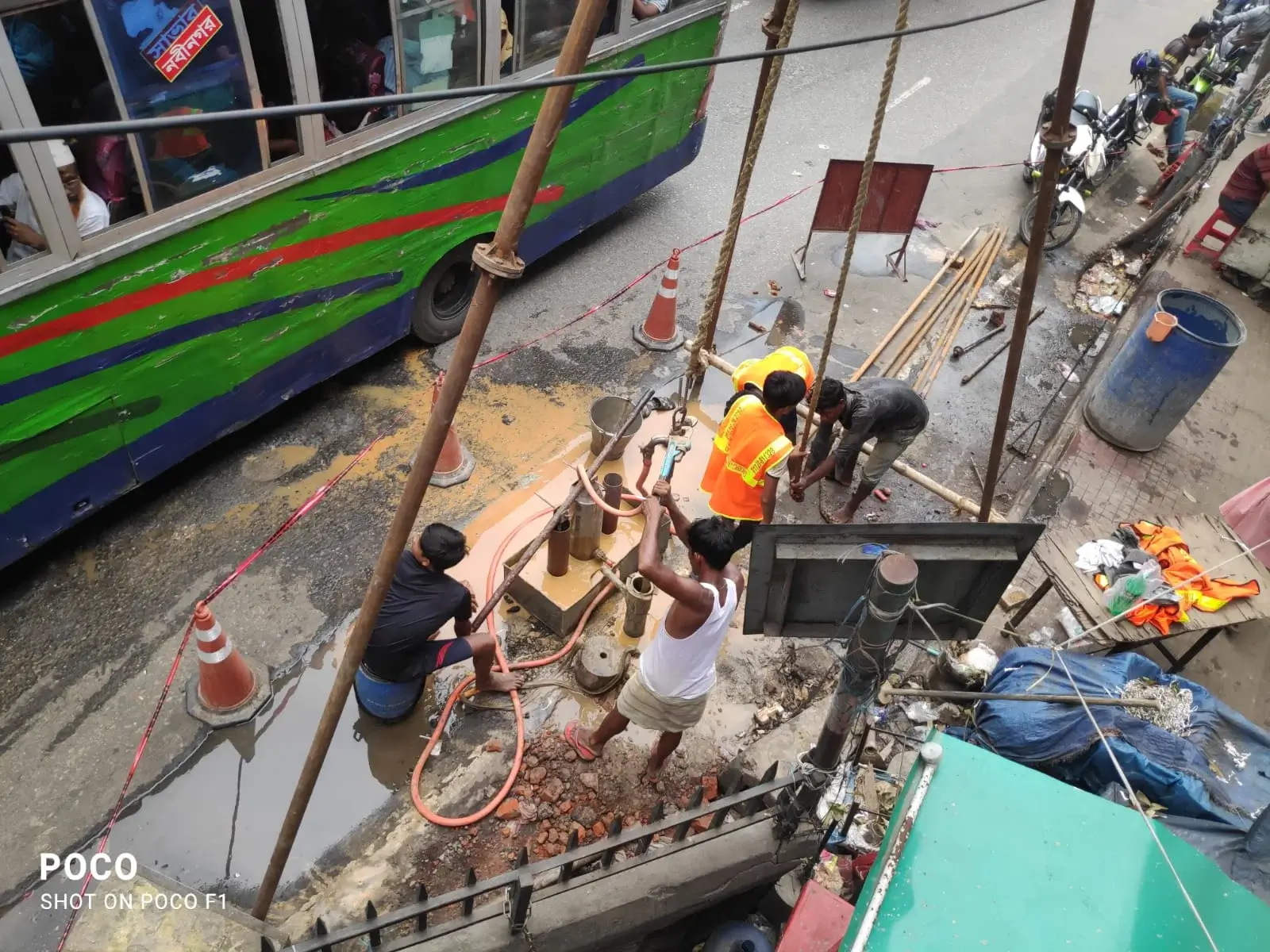
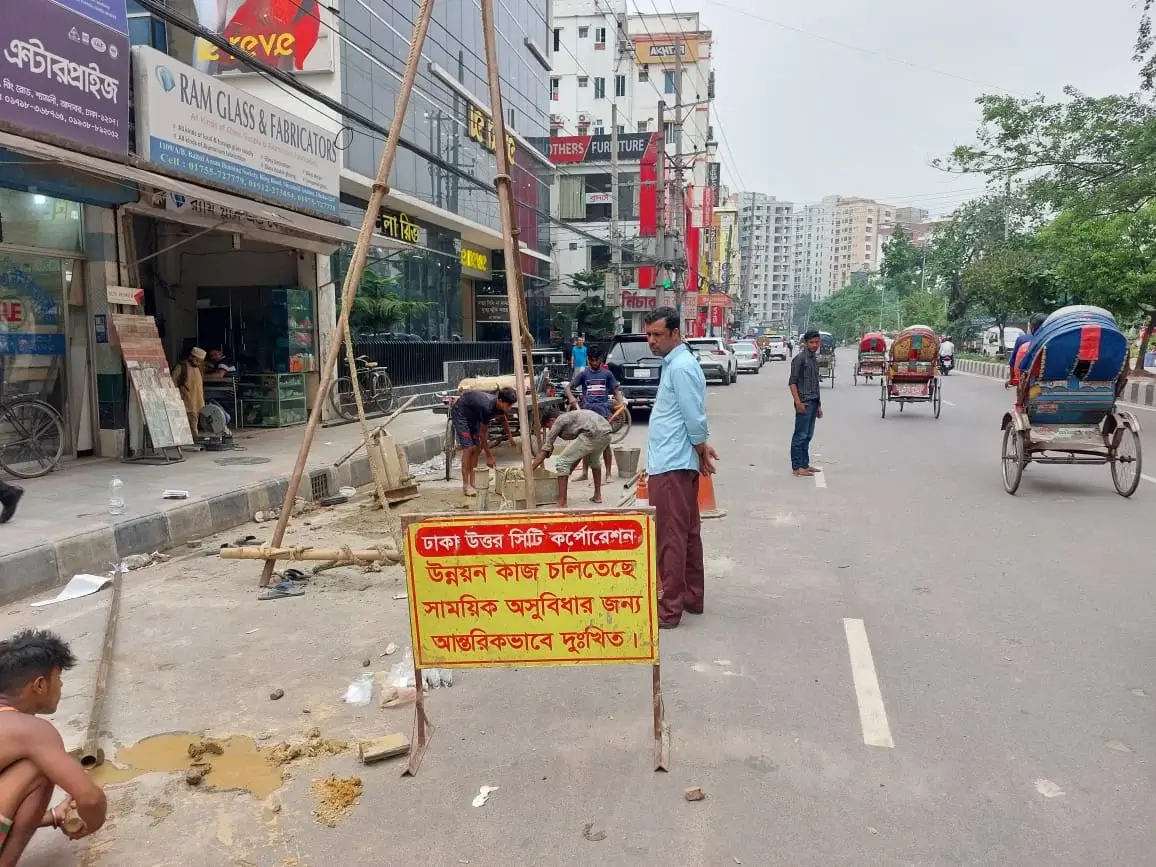
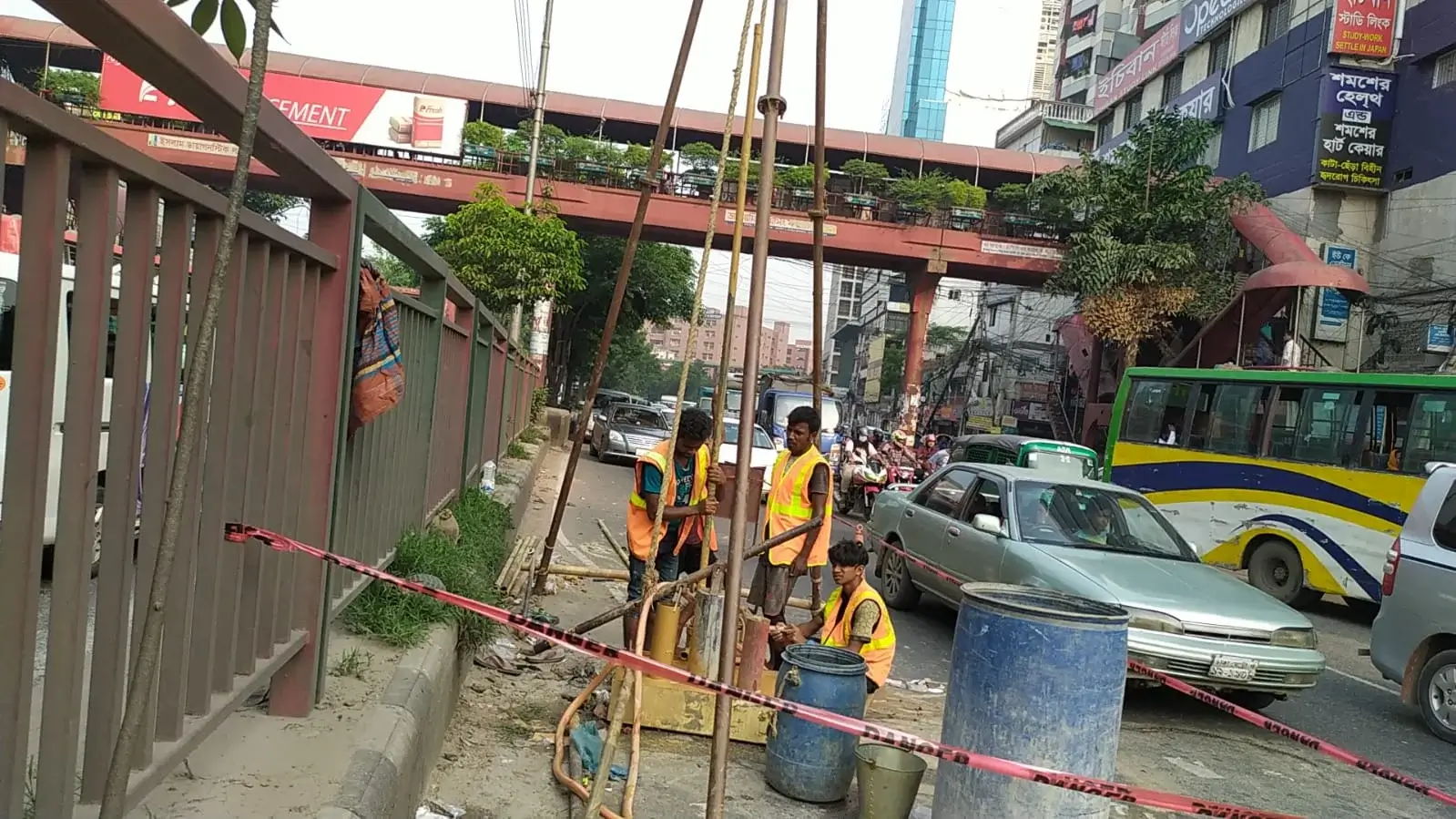
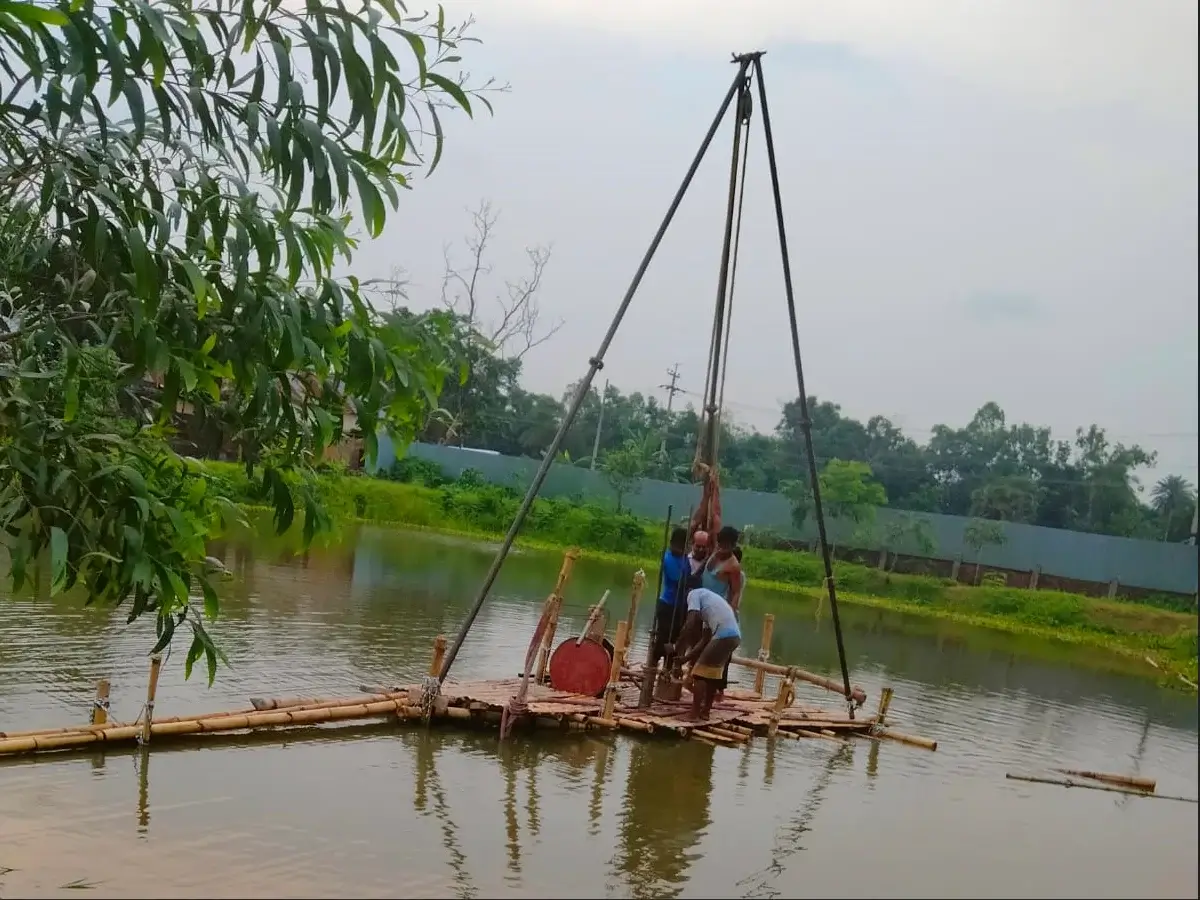
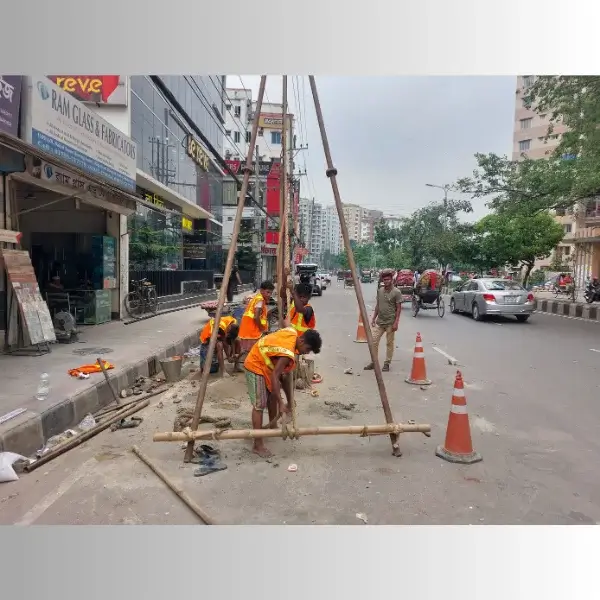
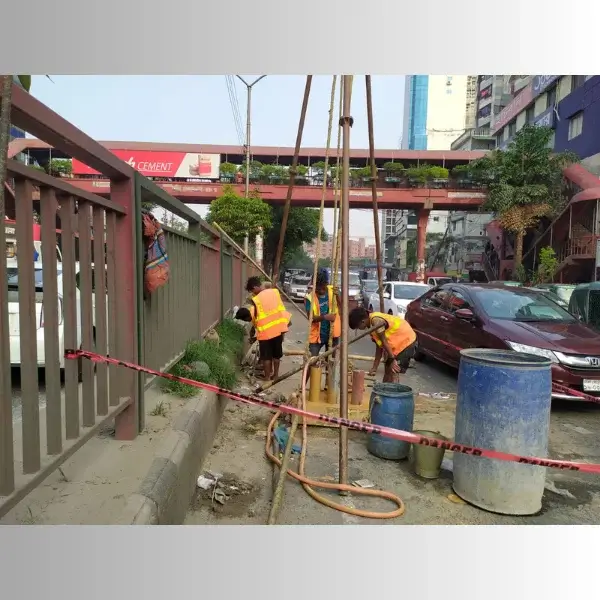
Conducting a borehole test is one of the most reliable ways to assess the condition and composition of underground soil layers before construction. This process helps engineers identify the type, strength, and depth of each layer, ensuring that foundation designs align with actual ground conditions. Through detailed soil investigation and soil boring tests, important data such as water table levels, bearing capacity, and potential risks can be accurately gathered. Our expert team uses modern drilling equipment and advanced techniques to deliver precise results that support safe and cost-effective construction. As a trusted soil testing company in Bangladesh, we provide comprehensive services that help avoid structural issues and ensure long-term stability for every project.
Trusted Experts for Reliable Soil Investigation
A professional testing company in Bangladesh plays a crucial role in ensuring the safety and longevity of any construction project. From residential buildings to bridges and industrial structures, accurate analysis of soil conditions is the foundation of successful construction. Our team offers comprehensive services, including borehole tests and detailed investigations, using modern equipment and experienced geotechnical engineers. We provide precise data on bearing capacity, moisture content, and underground layers to guide foundation design. With years of experience, we are recognized for delivering reliable reports that meet international standards. Whether your project is small or large-scale, our experts ensure every assessment is conducted with professionalism, accuracy, and integrity.
Soil Boring Test – Key to Safe Ground Assessment
A soil boring test is an essential part of geotechnical engineering, helping determine the composition, strength, and stability of the ground. By collecting and analyzing samples from different depths, engineers can evaluate soil layers, water levels, and potential risks. Our experienced team provides precise testing and detailed reports to guide foundation design, ensuring safe, durable structures and minimizing construction issues. Every assessment follows international standards, giving you confidence in your project’s stability and safety.
Soil Test company in bangladesh
Sonar Bangla Survey Consultants is one of Bangladesh’s leading digital land surveying firms, delivering top-quality services since 2013. Staffed with highly skilled survey engineers, all graduates from prestigious government institutions, the company is known for precision, reliability, and innovation. Specializing in digital land surveys and comprehensive land planning, Sonar Bangla Survey Consultants supports both private and public sector projects, helping clients make informed decisions and maximize their project potential. With a proven track record and hundreds of satisfied clients, the company has earned a strong reputation for uncovering valuable opportunities and consistently providing exceptional service quality.
Soil Test in Civil Engineering – Ensuring Safe and Durable Construction
Soil test in civil engineering is essential for designing safe and stable structures. By analyzing soil properties such as composition, strength, and moisture content, engineers can determine the best foundation type and depth for any project. Accurate ground assessment helps prevent structural failures, reduces construction risks, and ensures long-lasting performance. Professional testing also provides valuable data for planning and cost-effective decision-making, making it a critical step in every construction project.
Why Choose SBSC
With many soil testing companies in Bangladesh, choosing a reliable partner like SBSC ensures you receive precise and actionable insights from your soil analysis. Our expert team has in-depth knowledge of local geology and uses advanced techniques to deliver accurate results for your agricultural or construction projects.
As a reputable soil testing company, we prioritize precision and quality while keeping our services competitively priced. From sample collection to interpreting the results, our professionals guide you through the entire process, helping you make informed decisions and get the most value from your investment.
Soil Testing Process Overview
The soil testing process starts with collecting and analyzing soil samples. Laboratory tests determine the soil’s capacity to swell and shrink, which is crucial for ensuring the soil can transfer or support a load. Key tests include:
- Gravity Test: Measures soil density and porosity.
- Moisture Content Test: Determines water content in the soil.
- Dry Density Test: Measures soil density in its dry state.
- Atterberg Limits Test: Evaluates soil’s liquid and plastic limits.
- Proctor Compaction Test: Determines compaction characteristics.
These tests provide valuable information about the soil’s properties.
Common Soil Testing Methods
Several standard tests help analyze soil properties and behavior:
Gravity Test: Measures the ratio of soil solids to water.
Moisture Content Test: Determines water content.
Dry Density Test: Measures weight of soil particles in a given volume.
Atterberg Limits Test: Assesses liquid, plastic, and shrinkage limits.
Proctor’s Compaction Test: Evaluates soil compaction characteristics.
These tests provide essential insights into soil behavior, helping engineers design safe and stable foundations.
Understanding Soil
ht of soil solids and water.
- Moisture Content Test: Determines the water content in soil.
- Dry Density Test: Measures soil particles’ weight in a given volume.
- Atterberg Limits Test: Evaluates soil’s liquid limit, plastic limit, and shrinkage limit.
- Proctors Compaction Test: Determines soil compaction characteristics.
These methods are essential for understanding soil properties and behavior under different conditions for a good soil test report in Bangladesh.
Understanding Soil Classification
After analyzing the soil’s properties through various testing methods, you can now classify the soil into specific categories based on its characteristics, a step that’s essential for designing safe and cost-effective foundations.
Soil classification is a vital step in soil testing, as it groups soils with similar properties into units that can be georeferenced and mapped for construction and environmental projects.
The Unified Soil Classification System (USCS) is a widely used method that categorizes soils into 15 basic categories, including coarse-grained soils, fine-grained soils, and highly organic soils.
Soil classification is based on the soil’s physical and chemical properties, including grain size distribution, Atterberg limits, and moisture content, which affect its behavior under different loads and environmental conditions.
An experienced geotechnical engineer will consider these factors to determine the soil’s specific gravity, which is critical in soil analysis.
Impact on Foundation Design
Proper soil analysis greatly influences foundation planning, helping engineers choose the right type, size, and depth for long-term stability. Understanding the soil’s bearing capacity prevents uneven settlement or structural failure, ensuring safety and durability. Accurate data also allows for cost-effective decisions, reducing foundation expenses and ensuring the building lasts as intended.
Ensuring Building Stability
Proper analysis of the ground is essential to make sure it can support the weight of a building, preventing structural failures and ensuring long-term stability. In regions like Bangladesh, where seismic activity is a concern, understanding soil conditions is especially important for safety.
SBSC provides reliable testing services backed by accredited laboratories and experienced specialists. By evaluating soil properly, engineers can design foundations that reduce costs, avoid settlement issues, and extend the building’s lifespan. Thorough assessment also helps mitigate unexpected challenges, ensuring the structure remains stable and secure for its intended use.
Frequently Asked Questions
Q: What is the importance of a soil test report in Bangladesh?
A: A soil test report in Bangladesh is crucial in Bangladesh as it helps determine the quality of the soil for various purposes, including construction, agriculture, and land management. It provides essential information on soil composition, drainage, and compaction of soil, which are vital for effective planning and execution of projects.
Q: How can I find a reliable soil test company in Dhaka?
A: To find a reliable soil test company in Dhaka, you should look for firms that are skilled and experienced in conducting soil testing. Reading customer reviews, checking certifications, and asking for recommendations can help you choose a company that offers extremely reliable services.
Q: What factors are measured in a soil test report in Bangladesh?
A: A soil test report in Bangladesh generally measures various factors such as soil pH, nutrient levels, compaction of soil, void ratio, and water retention capacity. These measurements are important to assess the suitability of the soil for construction, agriculture, or other uses.
Q: How does soil type affect construction projects?
A: The kind of soil significantly impacts construction projects. For instance, clay soil may retain water and lead to drainage issues, while sandy soil may provide good drainage but weak support. Understanding the soil type helps in designing foundations and other structural elements appropriately.
Q: What is the role of soil compaction in road construction?
A: Soil compaction is an important aspect of road construction as it ensures stability and durability. Properly compacted soil reduces air voids and increases the load-bearing capacity of the ground, which is essential for the longevity of the road.
Q: Can soil temperature affect agricultural productivity?
A: Yes, soil temperature plays a crucial role in agricultural productivity. It affects seed germination, root development, and overall plant growth. Generally, the ideal soil temperature for most crops ranges from 20 to 30 degrees Celsius, depending on the kind of crop.
Q: What should I do if I would like to achieve better soil quality for my field?
A: To achieve better soil quality for your field, you must conduct a thorough soil test to identify deficiencies. Based on the report, you can amend the soil with organic matter, fertilizers, or other soil conditioners to improve its structure and nutrient content effectively.
Q: How often should soil testing be conducted?
A: It is recommended to conduct soil testing at least every 3 years, or more frequently if significant changes in land use or crop rotation occur. Regular testing helps monitor soil health and make informed decisions for optimal agricultural practices. Also, provide soil test report in Bangladesh.
Q: Are there specific soil test companies that specialize in road construction testing?
A: Yes, some soil test companies specialize in providing services tailored to road construction. These companies focus on testing parameters critical for road stability, such as compaction, shear strength, and drainage characteristics to ensure the road is designed effectively. Also, provide soil test report in Bangladesh.
Q: What is the significance of drainage in soil test report in Bangladesh?
A: Drainage is an important factor measured in soil test report in Bangladesh as it influences water movement through the soil. Proper drainage helps prevent waterlogging and promotes healthy root systems, which are vital for both construction and agricultural success.
Conclusion
As you finalize your construction project, remember that soil testing is vital in Bangladesh.
Did you know that 75% of foundation failures in Bangladesh are attributed to inadequate soil testing?
Don’t risk your investment. With accurate soil data, you can guarantee building stability and avoid costly repairs.
By choosing SBSC for your soil testing needs, you’ll get reliable results to inform your foundation design and secure a safe, durable structure.
For a professional and reliable service with a proven track record of over 150 5-star reviews on Google, call Sonar Bangla Survey Consultants office at +880 1742 585592 to get a free quotation and take the first step towards a secure foundation for your construction project.